
Hip and Knee Replacement in Malaysia: Terms Patients Hear First
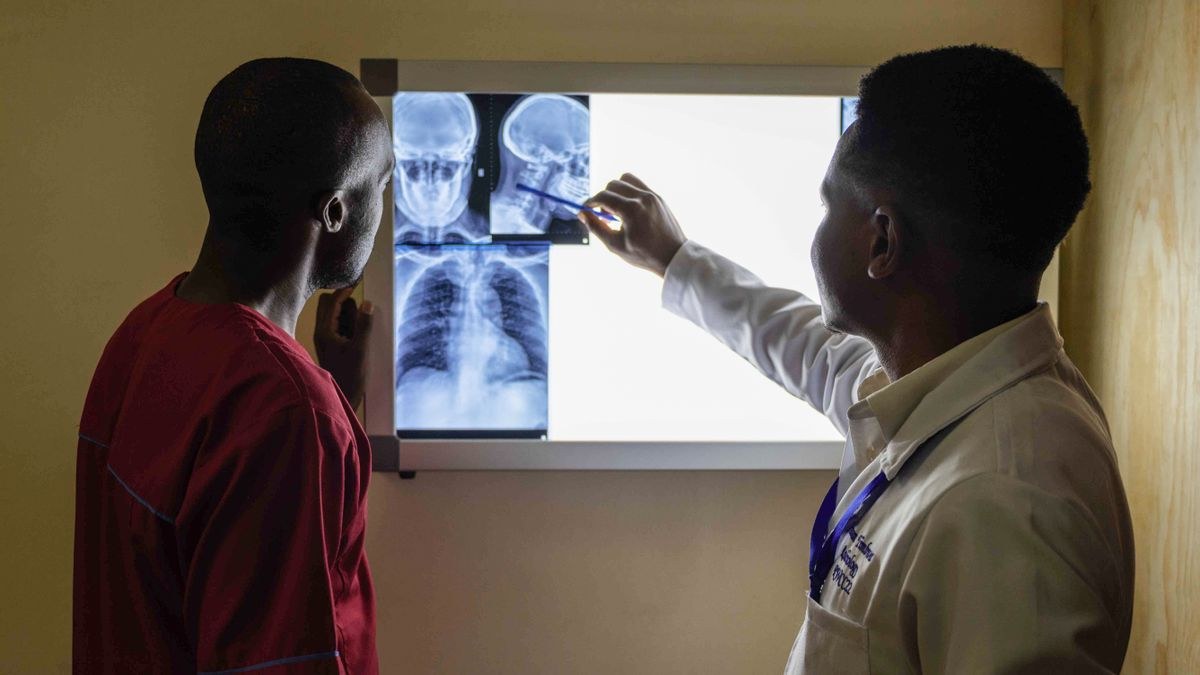
Hip and knee words patients hear before anyone books a date
Orthopaedic clinics in Malaysia see a steady mix of sports injuries, workplace strains and age-related joint wear. Hip and knee replacement conversations often start long before anyone mentions a theatre list. Patients first meet a vocabulary: cartilage, alignment, implants, physiotherapy milestones and why imaging was ordered.
A plain clinical explainer on hip replacement surgery is the sort of page that helps you recognise terms without turning them into a self-diagnosis. This article stays in that lane: education only, not a treatment plan and not a promise about outcomes.
Joint decisions belong with clinicians who have examined you. Online reading can prepare better questions; it cannot replace that examination.
What “replacement” usually means in plain language
In a total hip replacement, damaged surfaces of the ball-and-socket joint are exchanged for prosthetic components. Surgeons choose approaches and implant designs based on anatomy, bone quality and their training. OrthoInfo’s total hip replacement overview walks through those ideas in patient-friendly language used widely by orthopaedic educators.
Knee replacement follows a similar logic on a different joint: worn surfaces are resurfaced so the limb can move with less pain for appropriate candidates. Pages that outline knee surgery treatment pathways in an orthopaedic service usually separate arthroscopy, realignment ideas and replacement options because they solve different problems.
A hospital education clip on what happens during hip replacement (general education; not personal advice).
Why physiotherapy and medical fitness appear so early
Replacement is not only an implant story. Anaesthetic fitness, infection risk, home support after discharge and willingness to do physiotherapy all influence whether surgery is even offered. The NHS hip replacement guide stresses recovery expectations and everyday limits in language many patients find clearer than brochure photography.
If pain still allows sleep and daily function with non-surgical care, many teams continue that path longer. If night pain, instability or collapsed walking distance dominate life, the discussion shifts. Neither path is a moral grade; both need honest reporting of what you can and cannot do.
Finding orientation in a crowded specialty market
Malaysia has many orthopaedic clinics and hospital departments. A centre homepage such as the clinic group main site overview can show service mix and locations, yet credentials, examination quality and clear explanations matter more than logo polish. Ask who will operate, who covers complications, and how physiotherapy is arranged after discharge.
Bring a short list of prior surgeries, medicines and allergies. Ask what imaging already answers and what still needs clarifying. Request outcome talk in functional terms: stairs, prayer postures, driving, work demands.
Second opinions are normal in joint surgery, especially when two surgeons propose different implant strategies or timelines. Bring the same imaging and the same symptom diary to both visits so the comparison is fair. Disagreement does not automatically mean someone is wrong; it often means trade-offs were weighted differently.
Infection prevention talks can sound repetitive, yet they matter. Dental work, skin infections and poorly controlled blood sugar are the kinds of issues teams often want settled before elective joint replacement. Ask what your hospital’s checklist includes rather than assuming a friend’s timeline applies to you.
Work and caregiving plans deserve an early mention too. Someone needs to help with meals, transport to physiotherapy and fall prevention around loose rugs at home. Surgery dates that ignore that support often create stressful discharges.
Finally, keep expectations about “perfection” modest. Many people gain substantial pain relief and function; fewer regain the joint of their twenty-year-old self. Naming specific functional goals in clinic (stairs, prayer postures, work tasks) tends to produce clearer discussions than vague hopes for “getting back to normal.”
How to use this reading
Treat clinic pages and public guides as vocabulary trainers for a conversation that still depends on examination findings. No article can promise pain scores or recovery weeks for your joint. If symptoms worsen suddenly, or if you lose ability to bear weight, seek urgent clinical care rather than more browsing.